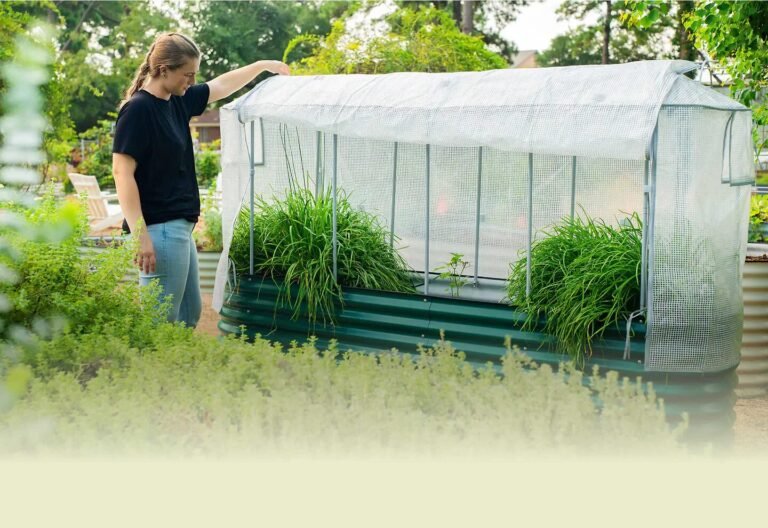
Getting fresh, organic produce doesn’t have to mean waiting an entire season. For those who want to see results fast, many vegetables can be ready to harvest in a month or less. This guide is for the impatient, the first-time gardener, and anyone who wants to maximize their limited space with quick-growing organic crops.
Achieving a harvest in four weeks requires two things: selecting the right crops and optimizing your growing conditions from day one. Since you’re aiming for organic, we focus on natural soil amendments and avoiding synthetic chemicals.
1. Choose Your Fast-Track Crops
The key to a rapid harvest is focusing on leafy greens and microgreens. These plants devote their energy to producing foliage rather than large, dense root systems or fruit. Below are the best options for a four-week timeline:
| Vegetable | Time to Harvest (Weeks) | Quick Tip for Success |
|---|---|---|
| Microgreens (e.g., radish, sunflower) | 1-3 weeks | Grow indoors on a windowsill for the quickest results. |
| Radishes | 3-4 weeks | Need deep, loose soil to form their bulb quickly. |
| Spinach | 3-4 weeks (for baby leaves) | Prefers cooler temperatures; needs consistent moisture. |
| Arugula | 3-4 weeks | Very low maintenance and offers a peppery kick. |
| Loose-Leaf Lettuce | 3-4 weeks (outer leaves) | Use the “cut and come again” method to extend the harvest. |
| Bok Choy | 4 weeks (for baby leaves) | Great for containers and quick-cooking dishes. |
2. Soil and Setup: The Organic Advantage
You cannot skip proper soil preparation, even for a four-week timeline. Healthy soil equals a healthy, fast harvest.
Start with the Best Soil
Forget planting directly into the ground unless your garden soil is already well-amended. The fastest way to success is using a quality, organic potting mix or creating a raised bed.
- Potting Mix: Use a certified organic mix that is light, fluffy, and drains well.
- Compost is Key: Mix in a generous amount of finished organic compost. This is your plant’s high-octane fuel, providing necessary nutrients immediately and retaining moisture.
- Containers: For four-week crops, shallow containers, window boxes, or simple seed-starting trays work perfectly. Ensure all containers have good drainage holes.
Essential Organic Feeding
For a quick harvest, crops need nitrogen to produce those abundant, green leaves. You want quick-acting natural amendments:
- Compost Tea: A liquid feed made from soaking compost in water is a gentle, effective organic nitrogen boost. Apply it after the seeds sprout.
- Worm Castings: Mix a handful of worm castings into the top inch of soil. This is a natural, slow-release fertilizer that will nourish your plants throughout their short life cycle.
3. Optimizing Growth for Speed
These few weeks are a sprint, not a marathon. You need to provide the perfect conditions to push your plants to their maximum growth speed.
Light, Water, and Temperature
- Sunlight: Most of these crops need at least six hours of direct sunlight. If growing indoors, a simple fluorescent or LED grow light placed a few inches above the plants can significantly accelerate growth.
- Watering: Consistent moisture is crucial, especially for leafy greens. If the soil dries out, the plants will slow down or, in the case of arugula and lettuce, can turn bitter. Water daily, or twice daily in hot weather, but ensure the water drains completely. Soggy roots will lead to rot.
- Thinning is a Must: This is often where new gardeners hesitate, but it’s critical. When seedlings sprout, they often compete for light and nutrients. Once your seedlings have their first two true leaves, snip the smaller ones at the soil line to give the remaining, strongest plants plenty of room to grow quickly. For lettuce, aim for about 4-6 inches between plants.
Focus on Microgreens for Immediate Results
If four weeks still sounds too long, focus purely on microgreens. These are the seedlings of edible vegetables and herbs harvested shortly after the cotyledon (seed) leaves have developed.
- Planting: Scatter seeds thickly over a thin layer of moist organic potting mix in a shallow tray.
- Harvest: In 7 to 14 days, simply use scissors to snip the tender stems just above the soil line. You get a dense, concentrated burst of flavor and nutrients, proving that the journey from zero to harvest can truly be measured in days.
The rewarding part of growing fast vegetables is the quick turnaround. It provides a constant supply of fresh food and builds gardening confidence fast. You plant on Monday, and by the next month, you are enjoying your own organic bounty. Happy planting!